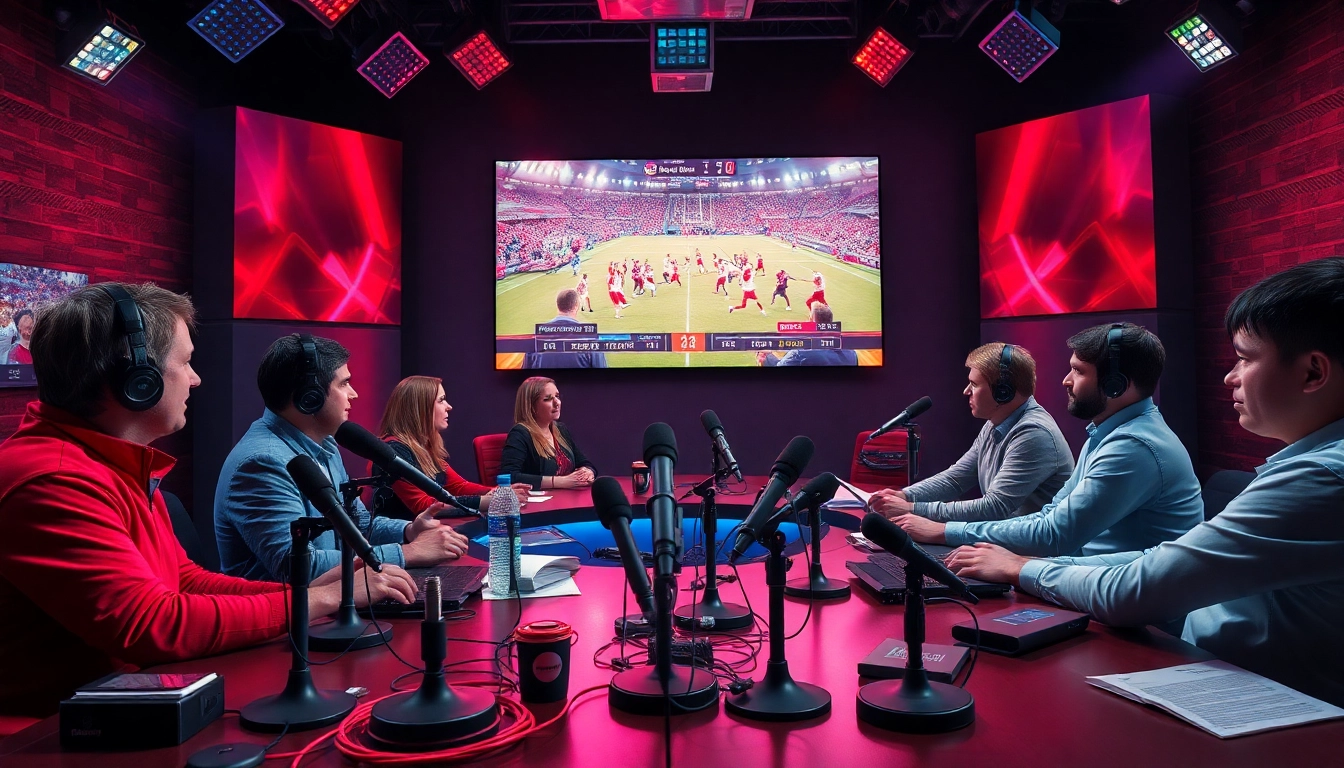
Introduction to Sports Broadcasting
Sports Broadcasting has evolved dramatically over the years, emerging as a vital segment of the media landscape. With the advent of modern technology and the increasing appetite for live sports, this field has become integral to how audiences engage with their favorite games. It encompasses the live transmission of sports events through various platforms and has transitioned from traditional radio and television to include streaming services and mobile applications. The importance of Sports Broadcasting cannot be understated as it fosters community, generates revenue, and shapes the cultural relevance of sports across the globe.
Understanding the Basics of Sports Broadcasting
At its core, sports broadcasting includes the live transmission of sporting events, supplemented by expert commentary and analysis. Broadcasting can occur through different mediums such as television, radio, and online platforms, allowing fans to access content in varied formats. Each channel offers distinct advantages, from the in-depth analysis often found on television to the granular details of radio commentary. Understanding the basics entails knowing how rights are acquired, production processes, and distribution channels. The fundamentals not only set the stage for engaging content creation but ensure that audiences have an accessible way to enjoy live sports.
Importance of Audience Engagement in Sports Broadcasting
Engagement is at the heart of successful sports broadcasting. Today’s viewers not only seek entertainment but demand interaction. Online platforms have transformed how fans connect with broadcasters, leading to the development of live polls, chats, and social media interactions during broadcasts. High audience engagement not only enhances viewer loyalty but significantly impacts revenue generation. Advertisers are drawn to expansive audience interactions, which can translate into better marketing strategies. As such, effective audience engagement strategies are crucial for maintaining and growing viewership in an increasingly competitive marketplace.
Key Technologies in Modern Sports Broadcasting
The sports broadcasting industry is heavily reliant on technological advancements. High-definition video, augmented reality (AR), and virtual reality (VR) are just a few of the innovations enhancing the viewing experience. Technologies like instant replays, multi-camera angles, and data analytics provide viewers with unique insights and experiences, fostering deeper connections with the content. The integration of social media platforms during broadcasts further enhances viewer participation, creating a more immersive environment. Staying ahead in technology adoption is essential for broadcasters looking to remain relevant in this fast-paced landscape.
Career Opportunities in Sports Broadcasting
Essential Skills for Aspirants in Sports Broadcasting
As interest in sports broadcasting surges, so does the need for skilled professionals equipped with the right toolkit. Crucial skills include strong verbal communication, an understanding of the sport, and analytical ability. Adeptness in using broadcasting tools and technology is equally important, alongside knowledge of audience psychology to better understand viewer engagement. Networking, writing, storytelling, and a capacity for adaptability in live situations also play a significant role in carving a successful career in this field, making multifaceted skill development key for aspirants.
Pathways to a Successful Career
Embarking on a career in sports broadcasting often begins with formal education in communication, journalism, or media studies. Internships provide valuable hands-on experience, making them indispensable for gaining entry-level positions. Building a personal brand through online platforms can also enhance visibility and attract potential opportunities. Continuous learning through workshops and courses is essential to stay abreast of industry trends. Recognizing and seizing opportunities for promotions or specialized roles can further highlight a commitment to serious career advancement in sports broadcasting.
Networking Strategies within Sports Broadcasting
Networking is a cornerstone of success in sports broadcasting. Joining professional organizations, attending industry events, and leveraging social media platforms like LinkedIn can create valuable connections. Engaging with mentors and existing professionals in the field can provide insights and open doors to new opportunities. Collaboration on projects or content creation can also foster relationships and expand one’s network. Active participation in discussions or forums within the broadcasting community can help individuals stay informed and connected, essential for long-term career growth.
The Role of Commentary in Sports Broadcasting
Crafting Compelling Narratives in Sports Broadcasting
Commentary transcends mere description; it involves weaving narratives that resonate with audiences. Effective commentators draw viewers into the action, providing context that enhances the viewing experience. Skillful storytelling in sports draws upon emotional highs, rivalries, and historical contexts, enriching the narrative around each event. This can be achieved through thorough preparation and an understanding of the dynamics of the game, allowing commentators to personalize the experience for their audience and maintain their attention throughout the broadcast.
Analysis vs. Play-by-Play: Different Styles of Commentary
Commentary styles generally fall into two categories: play-by-play and analysis. Play-by-play commentators focus on the real-time narration of events, ensuring that viewers experience every moment. Analysts, on the other hand, dissect the action, providing insights that add depth to the audience's understanding of the game. Both styles are critical, and the best broadcasts often feature a seamless blend, allowing for dynamic and engaging content. Understanding when to switch between these styles can elevate the viewing experience and keep fans engaged.
Impact of Commentary on Viewership
Commentary plays a significant role in shaping viewer perceptions and overall enjoyment. Engaging and knowledgeable commentators can enhance the attractiveness of even the most routine games, making them feel exciting and relevant. A well-structured team of commentators can cater to different viewer demographics, ensuring a broader audience reach. Ultimately, effective commentary can result in increased viewership, greater audience retention, and a stronger connection to the sport, reinforcing the broadcaster's value within a competitive landscape.
Challenges in Sports Broadcasting
Ethical Considerations in Sports Broadcasting
Sports broadcasting often stumbles into ethical dilemmas that must be navigated carefully. Issues such as fair representation, conflict of interest, and adherence to regulations must guide broadcasters' actions and decisions. Transparency is vital; viewers deserve to trust the information presented. The responsibility of ensuring that coverage is balanced, factual, and respectful cannot be underestimated, as ethical missteps can jeopardize a broadcaster's credibility and viewer trust.
Addressing Audience Expectations and Feedback
In an era where audiences are increasingly vocal, managing viewer expectations has become essential. Broadcasters must maintain an ongoing dialogue with their audience, integrating feedback to improve their offerings continually. Understanding viewer preferences through analytics and surveys can guide content planning and execution. Responsiveness to audience concerns signals a commitment to quality, fostering loyalty and long-term viewership. This practice not only enhances viewer satisfaction but also invites constructive engagement, paving the way for innovative programming strategies.
Navigating Technical Difficulties during Live Events
Technical difficulties can severely impact live broadcasts, posing a constant challenge for sports broadcasters. Preparation and contingency planning are key; having backup systems in place and investing in training for staff can mitigate potential issues. Real-time troubleshooting protocols can help manage tech challenges without losing viewer engagement. Maintaining open communication with audiences during delays can also ease frustration, as transparency is critical to retaining viewer trust and satisfaction during challenging situations.
Future Trends in Sports Broadcasting
Emerging Technologies Influencing Sports Broadcasting
The future of sports broadcasting is bright, driven by innovations such as augmented reality (AR), virtual reality (VR), and ultra-high-definition broadcasting. These technologies promise to redefine viewer experiences, allowing fans to immerse themselves in the action in ways that were previously unimaginable. Integration of AI for content curation and personalized viewing experiences will likely dominate future developments. Staying ahead with technological trends will position broadcasters favorably in an increasingly digital landscape.
Impact of Streaming Services on Sports Broadcasting
Streaming services have revolutionized how sports content is consumed, presenting both challenges and opportunities for traditional broadcasters. The rise of on-demand viewing means audiences expect flexibility and access to a variety of sports content. This shift compels broadcasters to adapt their strategies and invest in hybrid models that combine live traditional broadcasting with streaming offerings. Consequently, partnerships with streaming platforms may become a strategic imperative for broadcasters looking to enhance their reach and engagement effectively.
Predictions for the Future of Sports Broadcasting
Looking ahead, the trajectory of sports broadcasting indicates a shift towards more interactive and personalized viewer experiences. As technology continues to evolve, we can expect advancements in AI and machine learning that cater content to individual preferences. Gamification of viewing experiences, enabling fans to participate in predictions or interactive discussions during live events, may become commonplace. Ultimately, the focus will be on maximizing viewer engagement, accessibility, and an enhanced emotional connection to the sporting narrative.
Frequently Asked Questions about Sports Broadcasting
What is Sports Broadcasting?
Sports Broadcasting refers to the live transmission of sports events through radio, television, or internet platforms, providing commentary and analysis.
What qualifications do I need for a career in Sports Broadcasting?
Typically, a degree in communications or journalism is beneficial, along with strong writing, speaking, and analytical skills.
How does technology impact Sports Broadcasting?
Technology enhances viewing experiences through high-definition visuals, instant replays, and data analytics that strengthen audience engagement.
What are the biggest challenges faced in Sports Broadcasting?
Challenges include maintaining viewer engagement, managing live technical issues, and adhering to ethical standards in reporting.
What trends are shaping the future of Sports Broadcasting?
Emerging trends include virtual reality experiences, increased streaming options, and interactive features that enhance viewer participation.