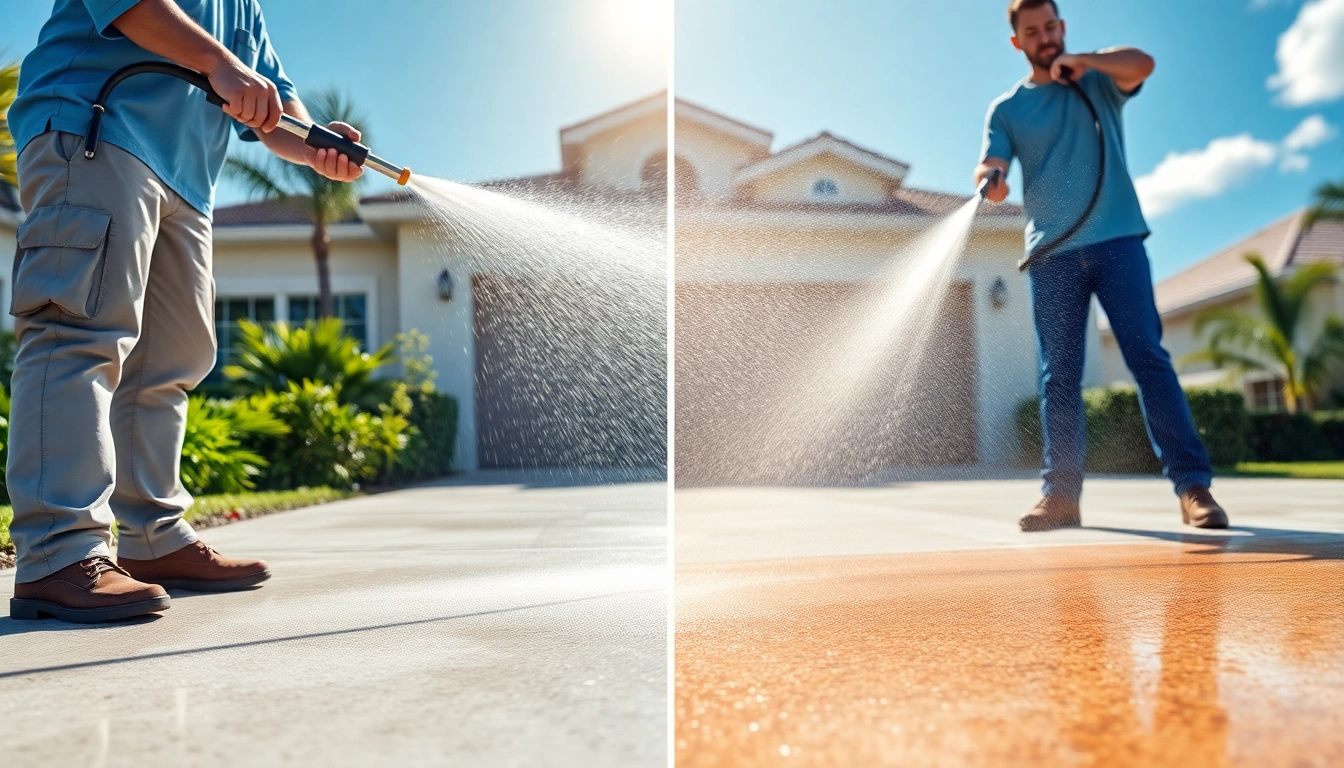
Understanding the Importance of Concrete Cleaning
Concrete surfaces, whether in residential driveways, commercial walkways, or other applications, are prone to accumulate dirt, grime, and various stains over time. Regular concrete cleaning is essential for maintaining the aesthetic appeal and longevity of these surfaces. Not only does it improve the visual aspect of your property, but it also helps to prevent damage that can lead to costly repairs. For those seeking a superior approach, concrete cleaning services can provide the necessary expertise and tools to restore your surfaces effectively.
Benefits of Regular Concrete Cleaning
- Improved Aesthetics: A clean concrete surface enhances the overall appearance of your property, making it more inviting.
- Increased Safety: Removing slippery substances like algae or oil reduces the risk of slips and falls, ensuring a safer environment for residents and visitors.
- Longer Lifespan: Regular maintenance through cleaning prevents the deterioration of concrete surfaces, extending their lifespan significantly.
- Property Value: Well-maintained exteriors, including clean concrete, can positively affect property valuations, making it more attractive to potential buyers or tenants.
Common Issues with Dirty Concrete Surfaces
Dirty concrete surfaces can harbor a variety of issues that can negatively impact both safety and aesthetics:
- Stains: Oil, grease, and other substances can leave unsightly marks that are difficult to remove without professional cleaning.
- Mold and Mildew: These substances thrive on damp, dirty concrete, creating health hazards and leading to further degradation of the surface.
- Cracking: Accumulated dirt and moisture can exacerbate cracks and surface erosion, requiring costly repairs if left untreated.
Environmental Considerations in Concrete Cleaning
As more property owners become environmentally conscious, the choice of cleaning methods has gained attention. Eco-friendly cleaning solutions are gaining popularity, allowing for effective cleaning without harming surrounding vegetation or water supplies. Understanding the environmental impact of your cleaning methods is vital for both compliance and sustainability.
Choosing the Right Methods for Concrete Cleaning
Selecting the appropriate cleaning method is crucial for achieving optimal results while ensuring the safety of the surface and the environment. Here are common methods:
High-Pressure Washing vs. Soft Washing
High-pressure washing employs powerful jets of water to remove dirt and contaminants. This method is effective for tough stains and large areas but may not be suitable for all surfaces. Conversely, soft washing uses lower pressures combined with specialized cleaning solutions, making it safe for more delicate surfaces without risking damage.
Eco-Friendly Cleaning Solutions
With growing awareness of environmental issues, many companies now offer eco-friendly cleaning solutions that effectively break down dirt and stains without harmful chemicals. These solutions are biodegradable and safe for plants and pets, aligning cleaning efforts with sustainable practices.
Essential Equipment for Effective Cleaning
Utilizing the right equipment can greatly enhance the efficiency of the concrete cleaning process. Essential tools include:
- Pressure Washers: These devices utilize high-pressure water jets to blast away dirt.
- Surface Cleaners: Attachments for pressure washers that facilitate cleaning large flat surfaces evenly.
- Specialized Brushes: For scrubbing stubborn stains that require extra attention.
Step-by-Step Guide to Cleaning Your Concrete
To achieve the best results from your concrete cleaning efforts, follow this detailed guide:
Preparing the Area for Cleaning
Before cleaning, prepare the area by removing any furniture or obstacles. Ensure that any potted plants or nearby landscaping are protected from the cleaning process, especially if using harsh chemicals.
Implementing the Cleaning Process
- Choose the Right Method: Depending on the surface condition, select high-pressure or soft washing techniques.
- Apply Cleaning Solution: If necessary, apply an appropriate cleaning solution to help break down stains.
- Clean the Surface: Use your chosen method to wash the concrete thoroughly, ensuring all corners and edges are addressed.
- Rinse: Rinse the area with clean water to wash away any remaining cleaning agents and debris.
Post-Cleaning Maintenance Tips
Once your concrete is clean, maintaining its condition will prolong the results. Consider applying a sealant to protect against stains and wear. Regular cleaning every six months can also help manage dirt buildup.
Addressing Common Misconceptions about Concrete Cleaning
Many misconceptions can lead to confusion regarding concrete cleaning methods and their impacts. Addressing these can help homeowners make informed decisions.
Can Pressure Washing Damage Your Concrete?
It is a common myth that pressure washing will harm concrete surfaces. While improper use of high-pressure techniques can cause damage, when done correctly, it is a safe and effective cleaning method. Using the appropriate PSI and nozzle type is essential.
Do You Need Professional Help or Can You DIY?
While some homeowners may attempt DIY cleaning, hiring professionals can ensure a thorough job with guaranteed results. Professionals have access to advanced equipment and expertise, reducing the risk of damage or ineffective cleaning.
Misinformation about Cleaning Products
Not all cleaning products are created equal, and misinformation can lead to poor choices. Using the wrong product can stain concrete further or lead to surface degradation. Research and expert advice are crucial in selecting the right cleaning agent.
Future Trends in Concrete Cleaning for 2025 and Beyond
The concrete cleaning industry is evolving, with trends emerging that will shape cleaning practices in upcoming years. Staying informed on these trends can help property owners maintain their surfaces effectively.
Innovations in Cleaning Technology
Expect advancements in cleaning technologies, including more efficient equipment that reduces water usage and enhances cleaning efficacy. New cleaning agents that are both powerful and environmentally friendly will likely become more prevalent.
Regulations and Eco-Friendly Practices
As environmental regulations tighten, companies that offer eco-friendly cleaning methods and products will gain a competitive edge. Understanding these regulations can help businesses operate within legal frameworks while appealing to eco-conscious consumers.
Emerging Trends in Consumer Preferences
Consumers are increasingly seeking services that prioritize sustainability. By offering green cleaning options and transparently communicating practices, companies can better align with consumer values and preferences.